
The cheapest trip on the page isn't always the best travel deal. A low headline price can hide weak flight times, extra fees, or a hotel that looks fine until checkout.
Smart travelers compare flights, hotels, and packages side by side, then watch timing and booking sites to match the trip type. That's where the real savings show up, especially when you're planning a family break, a quick city stay, or an all-inclusive getaway.
The best deal is the one that saves money without making the trip worse.
Here's where to look, when to book, how to stack discounts, and which deal types make the most sense for different trips.
What counts as a real travel deal in 2026?
A real travel deal saves money without quietly making the trip worse. That means the number on the search results page is only the starting point. If the flight time is terrible, the hotel sits miles from anything useful, or the checkout screen keeps stacking fees, the "deal" gets thinner fast.
The best way to judge value is to compare the full trip cost and the tradeoffs attached to it. Cheap can be smart, but only if it still fits your schedule, your destination, and the way you actually travel.
 ### Look at the full trip cost, not just the base fare
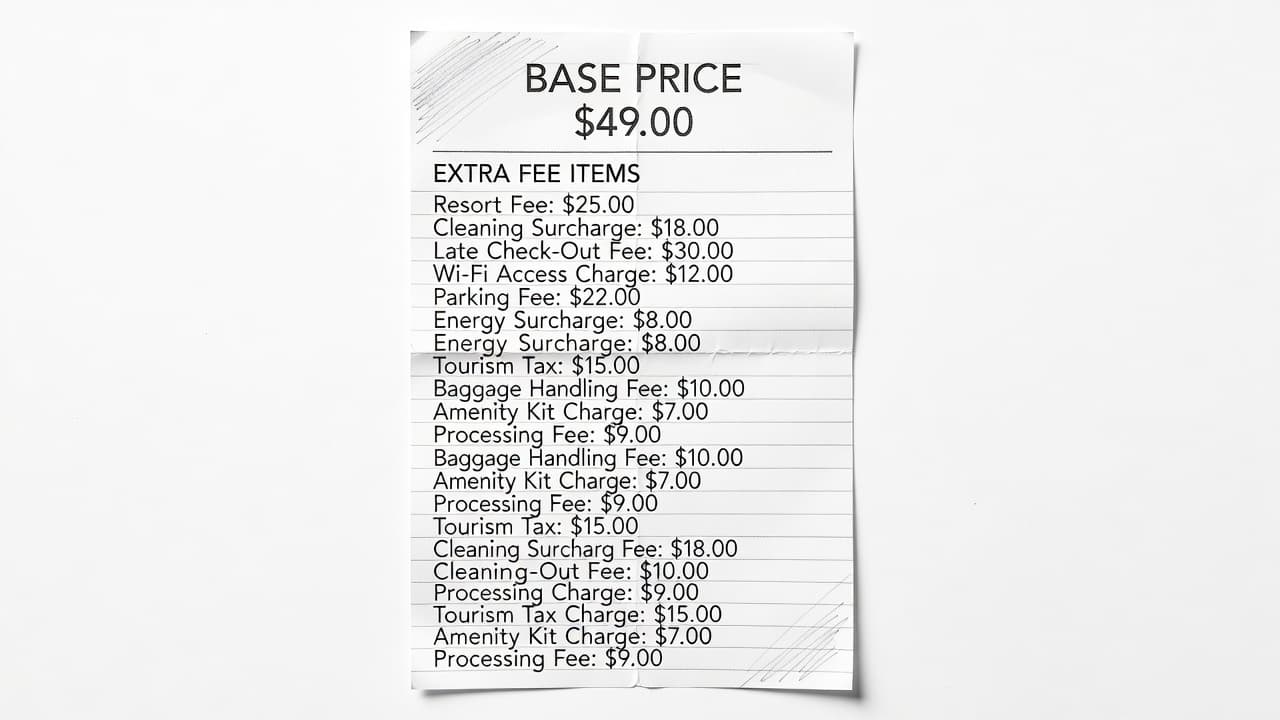
A low base fare can be a trap if the extras pile up. Taxes, baggage fees, seat selection, resort fees, parking, car rentals, and booking add-ons can turn a budget-friendly listing into an expensive trip by the time you hit checkout.
That matters most when you compare options across airlines and hotels. A flight that looks $60 cheaper may disappear the moment you add one checked bag and a seat assignment. A hotel that looks like a steal can climb fast once you add a resort fee, parking, and Wi-Fi charges. The FTC now requires clearer upfront fee disclosure on many travel bookings, but mandatory fees still exist, so the total price still deserves your attention.
A simple way to judge it is to build the real total before you book:
- Flights: Fare, taxes, carry-on or checked bag fees, and seat selection.
- Hotels: Nightly rate, resort fee, parking, taxes, and any paid amenities.
- Car rentals: Base rate, airport surcharge, insurance, toll passes, and extra driver fees.
- Vacation rentals: Cleaning fee, service fee, and local taxes.
A trip is only cheap if the final receipt still feels cheap.
That is why a "budget" hotel near the beach can cost more than a nicer room farther inland. It is also why a low fare on an ultra-low-cost carrier can stop being a win once you add the things most travelers actually need. For a closer look at common fee patterns, NerdWallet's resort fee guide is a useful reference.
Know which deal type fits your trip
Not every deal works the same way. Some trips are better with a standalone flight deal, others with a hotel-only rate, and some make more sense as a package. The right pick depends on how long you are staying, where you are going, and how much flexibility you want.
Here is the quick breakdown:
| Deal type | Works best for | Watch out for |
|---|---|---|
| Standalone flights | Short trips, flexible dates, travelers who already have lodging | Bag fees, seat fees, awkward flight times |
| Hotel-only deals | City breaks, business trips, loyalty members | Resort fees, parking, poor location |
| Vacation packages | Family trips, beach destinations, longer stays | Less flexibility, bundled items you may not need |
| All-inclusive offers | Resort vacations, group trips, low-planning trips | Extra premium charges, limited dining or activity choices |
| Last-minute discounts | Spontaneous travel, unsold rooms, flexible schedules | Thin inventory, weaker room types, tighter rules |
Standalone flights are best when airfare is the main cost you want to control. Hotel-only deals work well when you already have points, a car, or a set itinerary. Packages often shine for multi-part trips, since bundling can knock down the total cost and simplify booking. All-inclusive deals can be strong for beach trips or family vacations, especially when food and drinks would otherwise add up fast.
Last-minute discounts are the trickiest. They can be excellent if you are flexible, but they are rarely the best choice if you need a certain neighborhood, room type, or flight window. A cheap last-minute rate is only a real deal if the trip still fits your plans and doesn't force you into expensive compromises elsewhere.
For safety checks before booking, Bank of Colorado's travel scam guide is a solid reminder that "too good to be true" often is.
The best websites and apps for finding cheap flights and packages
If you want cheap flights and packages, start with the tools that do one job well. Some are built for broad search, some are better for bundled savings, and some help you squeeze a little more out of every booking.
The trick is simple, compare first, then check the source. That way you catch the lowest fare, spot package value, and avoid paying more than you need to.
 ### Use Google Flights, Skyscanner, and Kayak to compare dates and routes
For flight search, these three are the heavy lifters. Google Flights is especially strong if your dates are flexible, because you can shift departure and return days fast and use the map view to see where the cheaper fares are hiding. It also makes price tracking easy, so you can watch a route instead of checking it over and over.
Skyscanner is great when you want broad discovery. Its "everywhere" style search is perfect if you care more about finding a cheap trip than picking one destination first. Kayak is useful when you want to compare a lot of airlines and booking sites in one place without bouncing around tabs all afternoon.
A simple way to think about them:
| Tool | Best for | Why it helps |
|---|---|---|
| Google Flights | Flexible dates and route comparison | Fast date changes, map view, price tracking |
| Skyscanner | Broad trip discovery | Good for open-ended searches and cheap destination ideas |
| Kayak | Comparing many options | Pulls in fares from airlines and booking sites |
For travelers who can move dates by a day or two, these tools often uncover the best savings. Google Flights is also worth checking for Southwest fares now, since Southwest routes and prices are available there, while Skyscanner still does not show Southwest fares in the same way.
Check direct airline sites before you book
Aggregators are useful, but they are not the finish line. Always open the airline's own site before you pay, because some fares or rules only show up there. Southwest is the big one to remember, since it has often been missing from travel search tools, so it should always get a separate check.
Direct sites can also have deals that never show up in search engines. A few airlines run member-only sales, offer better change policies, or bundle perks that make the direct price more valuable than the lowest fare on a comparison site. That's why the cheapest listing is not always the smartest buy.
A quick habit helps here:
- Find the best route on a comparison site.
- Check the same flight on the airline's site.
- Compare the final price, bag rules, and change policy.
- Book where the total value is best, not just where the fare looks lowest.
A few minutes on the airline's site can save you from a bad booking rule later.
Use Expedia, Costco Travel, and Travelzoo for package value
When you need a flight and hotel together, package sites can save real money. Expedia is one of the strongest options for flight-plus-hotel bundles, especially if you want a quick way to compare package pricing against booking each piece separately. In many cases, the bundle wins because the hotel rate drops once it's tied to the flight.
Costco Travel is a strong pick for all-inclusive vacations, cruises, and resort stays. If you're planning a beach trip or a family vacation where food and drinks matter, the package price can look a lot cleaner than paying for each part on its own. Travelzoo is different, since it curates limited-time offers instead of giving you a giant search grid. That makes it useful when you want a deal that's already been filtered down.
Package savings work best when the trip has multiple moving parts. Flights, hotels, and sometimes transfers all get bundled together, which can cut the total cost and make planning less annoying. It is especially handy for longer trips, where small savings on each part start to add up.
Add alerts, cashback, and points tools to stretch your budget
Once you have the main fare or package, stack a few extra savings tools on top. Going is helpful for fare alerts and mistake fares, which means you can catch unusual pricing without watching routes all day. If you are flexible, that kind of alert can beat the usual search-and-refresh routine.
ShopBack adds cashback on some booking sites, so you may get a little money back after you book. It will not turn an expensive trip into a cheap one, but it can shave off enough to matter, especially on larger hotel or package purchases. Then there are loyalty and points programs, which are still one of the easiest ways to stretch a budget if you already travel often.
The key is to keep it simple and stack only what fits your trip:
- Fare alerts help you catch price drops.
- Cashback gives you a little back after booking.
- Points programs cut the cash you need upfront.
Used together, these tools work like coupons that do different jobs. You do not need all of them every time, just the ones that match how you book and how much flexibility you have.
When to book for the lowest prices
Timing is one of the easiest ways to save on travel. The trick is that the best booking window changes by trip type, season, and how flexible you are with your dates. If you want the lowest price, start with the right window, then use the cheapest days to fly as your second filter.
 ### Book domestic and international trips at the right time
For domestic trips, the sweet spot is often 1 to 3 months ahead. That window gives you enough time to catch good pricing without drifting so early that you may pay more than you need to. For international trips, the better range is usually 2 to 6 months ahead, with many US-origin flights landing best around 3 to 5 months out.
That rule is broad, but it works well for real planning. A quick weekend trip to another US city usually does not need the same lead time as a summer flight to Europe or Asia. If you book too early, you can miss better fares later. If you wait too long, prices tend to climb fast.
A simple way to remember it:
- Domestic: start looking about 4 to 12 weeks out
- International: start looking about 8 to 24 weeks out
- Peak travel dates: book earlier than either window if you are flying around holidays or school breaks
For example, a Thanksgiving trip often needs a much earlier start than a random February getaway. For domestic flights, checking fares around 28 to 45 days before departure often catches a strong price point, while international fares usually settle into a better range several months ahead. Forbes also notes that Friday can be a strong day to buy in some cases, but the bigger win is still finding the right booking window for your trip type Best Day And Time To Buy Plane Tickets.
Pick the cheapest days to fly
Once you know when to book, shift to which days to travel. Tuesday and Wednesday often save money, and they usually come with lighter crowds too. That means you are not just paying less, you are also dodging some of the airport chaos.
Round trips can get even cheaper when you pair a Saturday departure with a Wednesday return. That mix often avoids the most expensive business and leisure travel days. If your schedule is flexible, that one change can make a noticeable difference.
Early morning flights and red-eyes can also be cheaper, and they are usually less crowded. Nobody loves a 5 a.m. airport call time, but the tradeoff can be worth it if the fare is lower and the plane is less packed.
A quick cheat sheet helps here:
| Travel choice | Why it can save money |
|---|---|
| Tuesday or Wednesday flights | Lower demand, better average fares |
| Saturday departure | Often cheaper than Friday or Sunday |
| Wednesday return | Helps avoid pricier weekend returns |
| Early morning flights | Less demand, fewer delays in some cases |
| Red-eyes | Often lower fares and lighter cabins |
The cheapest fare is often hiding on the least popular day.
Aim for shoulder season instead of peak dates
Peak summer travel pushes prices up fast, so shoulder season is where the smarter deals usually live. Early June and late August can be cheaper than the busiest stretch of summer, especially if you are avoiding holiday weekends and school-break spikes. That is where you can still get warm weather without paying the top-tier price.
January is another strong month to watch. It often brings lower fares for both domestic and international travel, partly because the holiday rush is over and demand cools off. If you can travel after New Year's but before spring break demand picks up, your odds of finding a cleaner fare improve.
This is where real planning matters. A trip to Europe in late August can cost less than the same route in mid-July. A January city break may also beat a spring weekend if you are not tied to a specific event. The best move is to compare the same destination across a few nearby weeks, not just one date.
Here's a simple way to think about it:
- Early June: good for beating full summer prices
- Late August: often cheaper than peak vacation weeks
- January: strong for lower fares across many routes
- Holiday periods: avoid unless you have to travel then
If you want the cheapest booking, start with the right window, then pick a midweek flight inside shoulder season. That combination does more for your budget than chasing one "magic" day ever will.
How to save on hotels, resorts, and all-inclusives
Hotel deals are a little different from flight deals. The room rate matters, but it is only part of the picture. Location, breakfast, parking, resort fees, and loyalty perks can change the real cost by a lot.
That is why the cheapest hotel on the list is not always the best choice. A slightly higher rate can win if it saves you $40 a day in parking, breakfast, or transfer costs.
 ### Choose the right hotel deal site for your trip
Different booking sites fit different travel styles. Expedia works well when you want to bundle flights and hotels, especially for longer trips where package pricing can knock down the total. Booking.com is strong for wide inventory and last-minute stays, while Hotels.com makes sense if you want a more loyalty-driven hotel search with rewards baked in.
Priceline and Hotwire are the picks for travelers who care more about price than precision. Priceline can help with opaque deals and package pricing, while Hotwire is useful when you are okay with mystery hotel savings and don't need to know the exact property before booking. Travelocity overlaps with Expedia on many package features, so it can be worth checking if you want to compare one more set of bundled rates.
For longer stays, Vrbo is often the better fit. A rental with a kitchen can cut down on restaurant costs, which matters fast on weeklong trips or family vacations. If you want a quick side-by-side starting point, this is how the tools usually line up:
| Site | Best fit | Why it can save money |
|---|---|---|
| Expedia | Flight and hotel bundles | Package pricing can beat booking separately |
| Hotels.com | Hotel stays with rewards | Loyalty perks can stack up over time |
| Booking.com | Flexible or last-minute trips | Huge inventory and frequent discounts |
| Priceline | Bargain hunters | Opaque deals can lower rates |
| Hotwire | Mystery hotel deals | Lower prices if you're fine with less control |
| Travelocity | Package shoppers | Good for bundled vacation pricing |
| Vrbo | Longer stays and groups | Kitchen access can reduce dining costs |
Use the site that matches the trip, not the one with the flashiest headline price. A beach weekend, a city break, and a month-long family stay all call for different tools.
Watch for perks that lower the real price
A room with a higher nightly rate can still be the better deal if it comes with real savings. Free breakfast, free parking, and kids-stay-free offers can erase costs you would otherwise pay every day. Those perks often matter more than a small discount on the room itself.
 Breakfast is a good example. Two travelers can easily spend $20 to $40 a day on breakfast outside the hotel, which adds up fast on a five-night stay. Parking can be even worse in city hotels, where nightly garage fees can turn a decent rate into a bad one.
Member discounts also matter. Hotel loyalty programs, AAA, AARP, military, and government rates can all shave off a chunk of the bill. Some brands also give direct-booking perks like late checkout, room upgrades, or small credits that save more than a tiny room-rate cut ever would.
A smart comparison should include:
- Free breakfast, especially for families and early flights
- Free parking, which matters most in cities and beach towns
- Kids-stay-free offers, which can reduce the per-night cost a lot
- Waived resort fees, which help more than a small base-rate drop
- Member discounts, which often beat public pricing
A $15 lower rate is nice. A $30 breakfast credit and free parking are better.
If you book direct, check the hotel's own offers page too. Many chains post member-only rates and perks that never show up on third-party sites. For a practical rundown of common hotel savings tactics, NerdWallet's hotel savings guide is a useful place to start.
Know when all-inclusive packages make sense
All-inclusives make the most sense when you want a beach trip without constant extra spending. If food, drinks, and activities are bundled into one price, you can control the budget more easily and avoid the nickel-and-dime feel that some resorts create. That is a big reason they work so well for Caribbean and Mexico vacations.
 This is where Costco Travel often stands out. It is a strong option for all-inclusive resorts in the Caribbean and Mexico, especially if you want a package that already includes lodging and other basics without a lot of extra planning. Costco Travel's all-inclusive offers are worth checking when you want predictable costs and fewer surprises at checkout. See Costco Travel's all-inclusive offers for current package types.
All-inclusives are usually a better value when you plan to stay on the property and use the resort amenities. They are less useful if you want to eat off-site every night, explore a lot, or spend most of your time away from the pool. In that case, a regular hotel or vacation rental may fit better.
These trips tend to work best when:
- You are booking a beach vacation.
- Meals and drinks would add up fast elsewhere.
- You want activities included in the price.
- You prefer one up-front cost over a stack of daily charges.
If the resort price looks high at first glance, compare it against what you would spend on meals, drinks, tips, and entertainment outside the package. The all-inclusive often looks a lot better once you do that math.
Smart ways to stack discounts and save even more
The best travel deals rarely come from one big coupon. They usually come from layering a few smaller savings, then checking that the total still makes sense. A membership perk, a promo code, and a smart booking window can work together like puzzle pieces, but only if the final price still holds up.
 The goal is not to chase every discount in sight. It is to combine the ones that fit your trip, then compare the total before you book. That keeps the process simple and stops a flashy promo from distracting you from a better deal underneath.
Use memberships and benefits you already have
Start with the discounts already sitting in your wallet. Costco Travel, AAA, military rates, and hotel or airline loyalty programs can knock down prices without much effort, and many travelers skip them because they go straight to the public rate.
That is an easy mistake to make. A Costco member-only package can beat a standard package price, AAA may unlock a lower hotel or car rental rate, and military discounts can apply to hotels, attractions, and vacation packages. Loyalty programs can be even better if you already have points, elite status, or member-only pricing that adds perks like late checkout or free breakfast.
The smartest move is to check these benefits before you compare anything else. If you already have a discount sitting there, there is no reason to leave it on the table.
A quick check can save more than you think:
- Costco Travel for package deals, resorts, and select all-inclusive trips
- AAA for hotels, rental cars, and some attractions
- Military discounts for eligible travelers and family members
- Loyalty perks for room upgrades, points, free nights, and better change policies
Many travelers hunt for a promo code first, then forget the membership they already paid for.
Look for promo codes and limited-time offers
Promo codes are most useful when they stack on top of an already solid rate. That can happen with flight-plus-hotel promos, seasonal hotel offers, and destination-specific deals tied to a city, beach area, or resort brand. These are the kinds of offers that can trim a trip without forcing you to change the whole plan.
A good example is a package sale that drops when you book airfare and lodging together. Another is a seasonal hotel offer that adds a free night, breakfast credit, or reduced nightly rate for certain dates. Destination-specific deals can be even better when a property wants to fill rooms in a slower month or boost bookings for a certain market.
The catch is simple, compare the promo price against the regular package price before you assume it's the winner. Some "special offers" are only special if you never check the base rate.
For a practical example of how stacking works, PayPal's guide to stacking coupons shows the same basic idea, start with the strongest savings first, then add smaller ones only if they still improve the total.
A fast comparison keeps you honest:
| Price to check | What to compare |
|---|---|
| Promo package | The discounted bundle with the code applied |
| Regular package | The same trip without the promo |
| Direct booking | The hotel's or airline's own price |
| Final total | Taxes, fees, bags, parking, and transfers |
If the promo rate looks good but the regular package is only a little higher, the non-promo option may still be better once you factor in flexibility or included perks. A deal should feel like a win at checkout, not just on the banner ad.
Avoid hidden costs that erase your savings
A stacked deal can fall apart fast if the extras are heavy. Resort fees, checked bag fees, seat fees, parking, and transfer costs can eat through your savings before the trip even starts.
This is where the real budget lives. A flight that saves $80 can lose that edge with one checked bag and assigned seat. A hotel that looks cheap can become the expensive option once you add parking and a resort fee. Even a good package can lose value if the airport transfer costs more than expected.
Keep your eye on the full trip cost, not just the coupon line. That is the difference between a real deal and a headline price that disappears at checkout.
Watch these common add-ons before you book:
- Resort fees that add a nightly charge after the rate looks settled
- Checked bag fees that can pile up quickly on family trips
- Seat selection fees that matter when you want to sit together
- Parking charges that are easy to miss on hotel bookings
- Transfer costs for shuttles, rideshares, and airport transport
The best rule is simple: if the deal only works before fees, it is not a strong deal. Stack discounts where you can, but always compare the final number, because that is the one that counts.
Common mistakes that make travel deals look better than they are
A cheap fare can look like a win until the details start piling up. That is where a lot of travel deal regret comes from, the price seemed right, but the timing, rules, or extra costs turned it into a weak buy.
The safest approach is simple, slow down before you pay. Check the schedule, the total cost, and the fine print, then ask one basic question, would I still want this trip if the headline price disappeared?
 ### Booking too late and paying last-minute premiums
Waiting until the final few weeks often pushes prices up, especially on popular routes and busy travel dates. Flights usually get more expensive as departure gets closer, and the good hotel rooms go first, leaving you with whatever is left.
That is where last-minute bookings can sting. You may still find a room or a seat, but it might come with awkward flight times, a poor location, or a higher rate than you expected. If you are traveling around holidays, school breaks, or major events, the penalty for waiting is even bigger.
A better move is to book with some breathing room. For many US flights, the sweet spot is often a few weeks ahead, not a few days before takeoff. For hotels, the best rooms and rates tend to disappear fastest on popular weekends.
For more booking caution signs, 5 common travel booking mistakes is a helpful reminder that timing and fine print matter just as much as the headline price.
Choosing the cheapest option without checking the tradeoffs
The lowest fare or cheapest room can be a bad deal if it creates bigger costs later. A flight with a brutal schedule, a hotel far from everything, or a room loaded with fees can wipe out the savings fast.
A cheap flight might mean a red-eye, a long layover, or an airport far from your destination. A cheap hotel might be so far from the center that you spend the difference on rideshares or transit. That "deal" starts to look thin once the trip is actually underway.
Here are the usual tradeoffs worth checking before you book:
- Flight times that force you into missed sleep or wasted vacation hours
- Hotel location that adds transportation costs every day
- Extra fees for bags, seats, parking, or resort charges
- Room quality that leaves you with the least desirable option on the property
The best value is not always the cheapest line on the screen. It is the option that keeps the trip usable, comfortable, and still affordable after the extras are added.
Ignoring flexibility rules and cancellation terms
Some travel deals are cheap because they are hard to change or impossible to refund. That is fine if your plans are locked in, but it is risky if your dates might shift even a little.
Nonrefundable fares and strict hotel policies can turn a small mistake into a costly one. A sick kid, a work conflict, or a weather delay can leave you stuck with a booking you can't use. That is why the cancellation terms matter just as much as the price.
Read the rules before you pay, not after. Look for whether the booking allows changes, whether refunds are cash or credit only, and how much notice you need to cancel. If the deal has a tight window, make sure you are comfortable with that risk.
A quick final check helps a lot:
- Confirm the booking is refundable, changeable, or locked.
- Check the deadline for free cancellation.
- Look for fees tied to date changes or rebooking.
- Make sure your travel plans are solid before you click "buy".
If the policy is hard to live with, the deal probably is too.
A travel deal should save money without boxing you in. If the fine print makes that impossible, keep looking.
Conclusion
The best travel deals are not the ones with the flashiest price tag. They are the ones that fit the trip, make sense on the calendar, and stay cheap after fees, bags, and add-ons are counted.
Compare the full cost before you book. Check the direct airline and hotel sites, watch your timing, and stack memberships or discounts when they actually improve the total.
That is the simple play: match the right tool to the right trip, then book the option that still feels like a win after checkout.